

Three Signs You Need a Better Logistics Partner
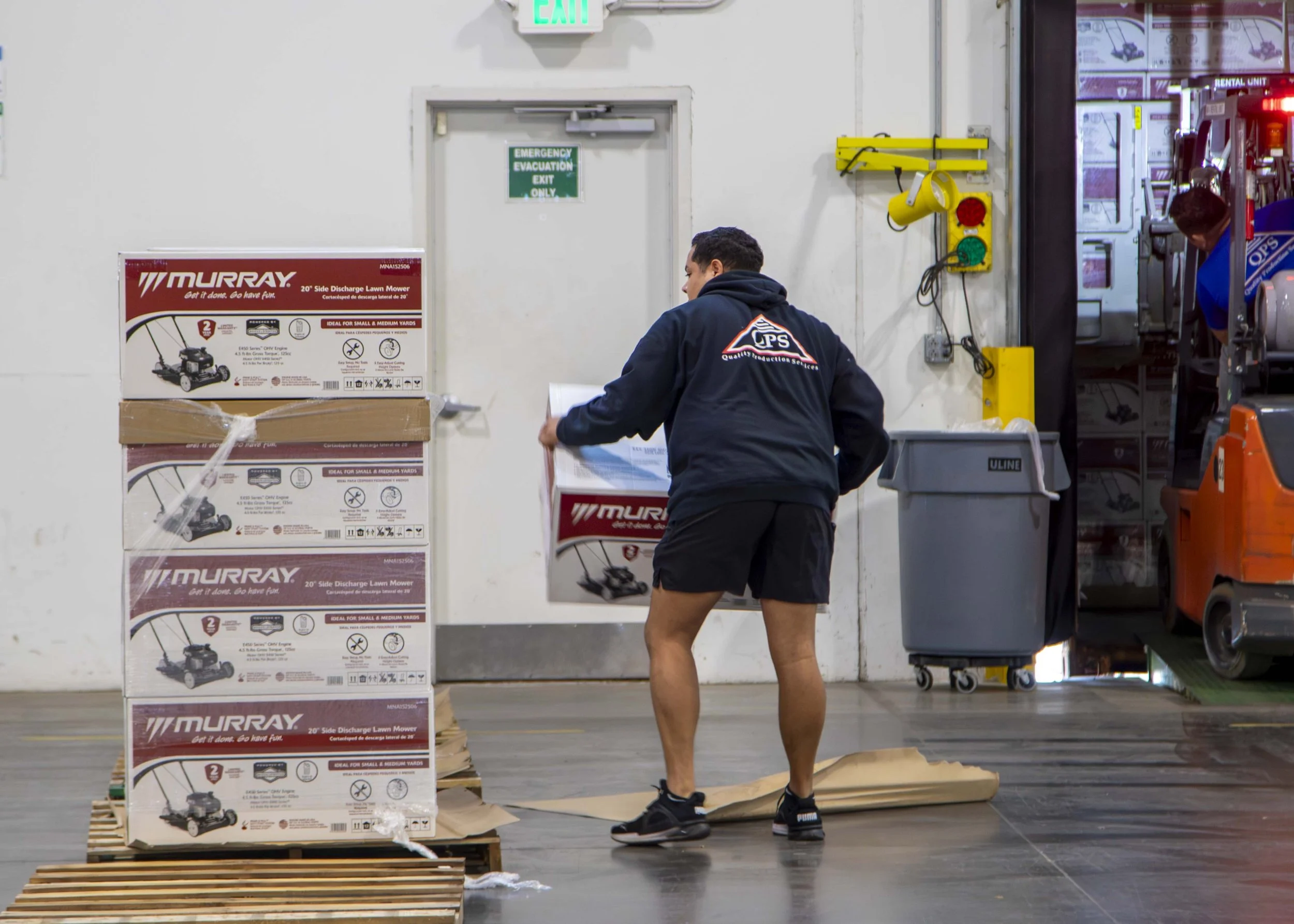
In logistics, small problems don’t stay small for long. A delay here, a miscommunication there—it all adds up. Before you know it, timelines are off, costs are rising, and the pressure starts building across your entire operation. Most teams don’t realize how much their logistics partner is affecting performance until things start going wrong. If your day-to-day feels more stressful than it should, it’s usually not random. There are signs.
1. A Revolving Door Team
One of the clearest signs is constant turnover; when crews constantly change, consistency disappears. New workers have to learn on the fly, mistakes become more common, and accountability gets harder to maintain. Even simple tasks take longer because the team isn’t working as a unit. An experienced crew changes everything. They understand the process, communicate better, and move with purpose. There’s less hesitation, fewer errors, and confidence in how the work gets done. In this industry, stability matters more than most people think.
2. Slow Unloading Slows Everything
When a truck is sitting at the dock waiting to be unloaded, it creates a ripple effect. Schedules get pushed, deliveries fall behind, and teams downstream are forced to adjust. What started as a delay at the dock becomes a bigger operational issue. Speed matters, but efficiency matters more. A well-run crew doesn’t just move fast—they stay organized, minimize unnecessary handling, and keep things flowing from start to finish. When unloading is handled efficiently, everything else has a better chance of staying on track.
3. Poor Communication
Another sign is when communication feels unclear or inconsistent. If you’re constantly asking for updates, tracking down information, or unsure of what’s happening with your operation, that’s a problem. In logistics, even small gaps in communication can lead to bigger issues. A strong partner keeps things simple, and you know what to expect next. Problems are addressed early, not after they’ve already caused delays.
The Bigger Picture:
At the end of the day, a logistics partner should make your operation easier to manage, not harder. When you have a stable team, efficient unloading, and clear communication, everything feels more controlled. Freight is always going to move. The difference lies in how smoothly it moves and the pressure it puts on your team in the process.
If you’re not receiving that level of service currently, it may be time for an upgrade.