

Leadership on the Dock: Why It Matters More Than People Think
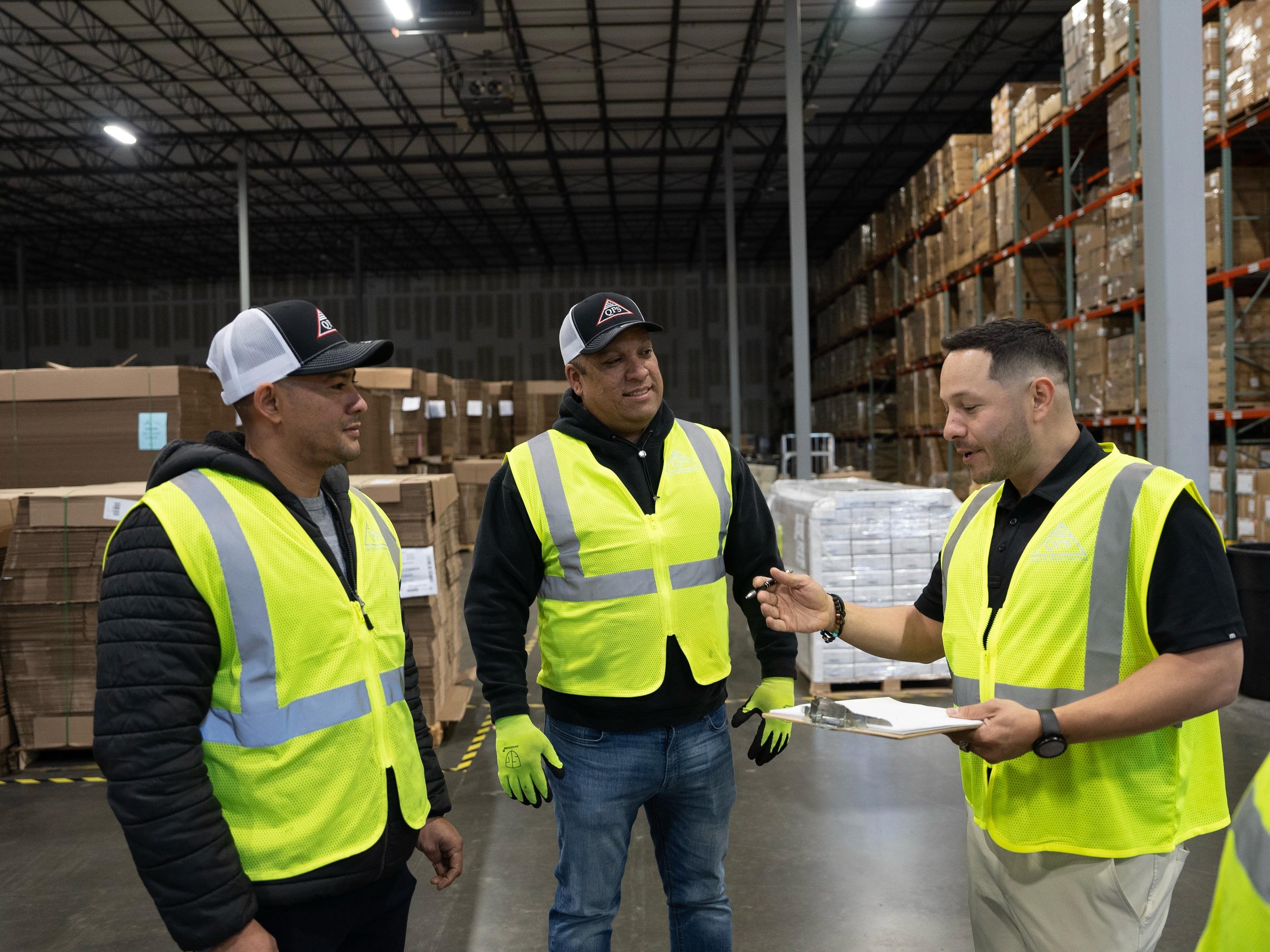
In warehouse operations, you can tell pretty quickly whether a crew is strong or struggling. It shows up in how people communicate, how they move, and how the unload progresses. When things are running well, there’s coordination and consistency. When they’re not, delays and frustration follow. That difference comes down to leadership.
In lumping operations, a team lead isn’t just assigning positions. They set expectations, manage urgency, and hold the standard for the shift. When leadership is engaged and consistent, unload times improve, damage decreases, safety stays tight, and labor is used efficiently. The warehouse feels it, and so does the client. When leadership is passive or unclear, performance slips in ways that add up fast. Distractions increase, urgency fades, and accountability weakens. It’s usually not one major mistake—it’s small gaps that compound throughout the shift.
Culture spreads quickly on a dock. One disengaged worker can slow the entire crew, but one strong lead can raise the standard just as fast. Leadership here isn’t just about knowing how to move freight. It’s about managing people, energy, and expectations in real time. Most breakdowns don’t happen because people don’t care; they happen because standards weren’t clearly defined, training wasn’t strong enough, or someone was promoted without being developed to lead. Being dependable on the floor doesn’t automatically mean someone is ready to manage a team. Strong crews are built intentionally. Clear standards from day one, real-time correction, and consistent accountability make the difference. When people understand what’s expected and see it reinforced, performance stabilizes.
Freight will move either way. The real question is whether it moves efficiently and without unnecessary strain on the operation. That answer almost always starts with leadership.